
 Home
HomeAddio a Zeudi Araya, stella del cinema tra Italia ed Eritrea
 Marilena Dolce
  01/06/26
  1
1  1354
1354 
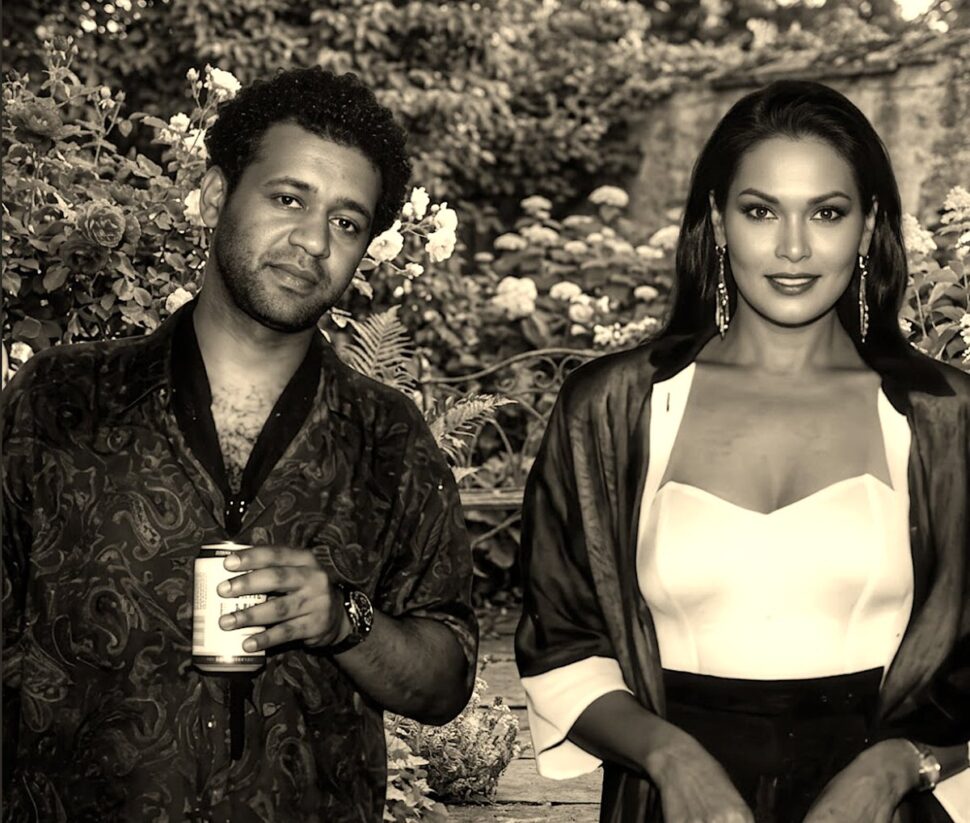
Zeudi Araya a Roma il 26 maggio 1991, due giorni dopo la liberazione di Asmara. Foto di Yosief Yohannes, condivisa da Yared Tesfay su X.
Addio a Zeudi Araya, attrice e produttrice cinematografica, mantenne sempre vivo il legame con la sua Eritrea, costruendo un ponte tra Africa e Italia.
È uscita la nota stampa rilasciata dal figlio Michelangelo Spano sulla morte, a 75 anni, di Zeudi Araya. “Si è spenta domenica 24 maggio nella propria abitazione, a seguito di una lunga malattia”, ha scritto il figlio, aggiungendo che la famiglia esprime la propria gratitudine a quanti le sono stati vicini, chiedendo però riservatezza, anche per i funerali, che saranno in forma privata.
Proprio il 24 maggio del 2011 avevo incontrato a Roma Zeudi, arrivata insieme al figlio, alla festa dell’indipendenza della comunità eritrea. Bellissima e gentile, cortese nei modi e nel sorriso, Zeudi era giunta giovanissima in Italia, già conoscendo la lingua. Nata a Dekemhare, in Eritrea, aveva studiato ad Asmara, all’Istituto Bottego per geometri, preparandosi per una professione abbastanza inusuale per i tempi. Però non era destino che progettasse strade o palazzi.
Zeudi, il cui nome è una variante di Zaudì, che significa corona imperiale in tigrino, nel 1969, vince per la sua incredibile bellezza il concorso Miss Asmara Expo. I giornali locali dell’epoca, riportando la notizia, scrivono che due sono i premi, “un’autovettura Mercedes” e un biglietto aereo per un soggiorno in Italia.
L’auto, su consiglio dello stesso presidente dell’Asmara Expo, è venduta subito e il denaro depositato a suo nome in banca. La restante vincita invece la condurrà direttamente a Roma. Il paese le piace fin dal primo momento, però deve rientrare in Eritrea.
E qui si apre una parentesi storica, per capire tempi e costumi in un’Eritrea allora annessa all’Etiopia di Hailè Selassiè.
Un giornalista italiano del tempo racconta un aneddoto interessante. Sulla bellissima ragazza eritrea aveva puntato gli occhi ras Asratè Cassa, uomo al vertice del potere imperiale. Quasi un principe, amante della ricchezza, degli abiti eleganti e, naturalmente, delle belle donne.
Sarà lui che cercherà di negarle il visto per uscire dal paese, senza però riuscirci. Così la “conturbante decamerina”, scrive il giornale, potrà partire nuovamente verso Roma.
Qui non passa inosservata e, dopo una canonica pubblicità per una marca di caffè, è scoperta dal regista Luigi Scattini che la vede a Cinecittà. È lui a offrirle il ruolo da protagonista nel film del 1972, La ragazza dalla pelle di luna. Siamo appunto negli anni Settanta, in un’Italia che ha da poco introdotto la legge sul divorzio e nella quale anche le donne borghesi cominciano a lavorare fuori casa. L’immaginario maschile però fatica a cambiare, continuando a sognare l’avventura erotica incarnata dal filone delle commedie soft sexy di quegli anni.
Sarà proprio Zeudi a dire, durante un’intervista televisiva, che avrebbe volentieri interpretato parti diverse rispetto a quelle da “faccetta nera, schiava d’amore”, se fossero arrivate. “Vorrei che mi offrissero storie che raccontano la cultura della mia terra, non solo interpretazioni di stereotipi”.
Stereotipi che quando arrivano ad Asmara mandano in visibilio gli spettatori eritrei. Al punto che davanti ai cinema dove si proietta La ragazza dalla pelle di luna, dovrà intervenire la polizia con gli idranti per arginare la ressa…
Sarà sempre lei a raccontare a Cristina Parodi nel 2015 del padre che non aveva apprezzato il film, decidendo di comprare tutti i biglietti del cinema del suo paese natale, per evitare che si vedesse recitare la figlia nelle scene “audaci”.
Certo il film, come scrisse una recensione del tempo, “si regge solo sulla bellezza mozzafiato di Zeudi Araya”, senza nulla togliere a Ugo Pagliai, ben più famoso nel Segno del Comando, di quegli stessi anni.
Zeudi però saprà togliersi dalle spalle il trito clichè della ragazza dalla pelle di luna e non solo grazie al matrimonio nel 1984 con il produttore Franco Cristaldi.
Dopo averlo affiancato per anni, nella vita privata e sul lavoro, alla morte del marito, nel 1992, Zeudi non rimase nell’ombra del grande produttore ma assunse la guida della Cristaldifilm, diventando una delle poche donne produttrici nello scenario cinematografico italiano. È suo il merito di aver rilanciato il catalogo storico della casa di produzione.
Già negli anni Ottanta Zeudi appare meno in pubblico. Non più attrice, lavora dietro le quinte. Un ruolo che prosegue anche dopo il matrimonio con il regista Massimo Spano e la nascita del figlio Michelangelo, nel 1995.
Smessi i panni pubblici di donna bellissima, pur continuando a esserlo, Zeudi ha utilizzato la propria intelligenza per il lavoro di produzione e per accrescere i legami e diminuire le distanze tra due mondi diversi che lei ben conosceva, Italia e Africa.
Per questo con il figlio ormai grande fece diversi viaggi in Eritrea, perché lui potesse conoscere la terra materna e la nonna, scomparsa ultra centenaria.
Ora la sua stella brillerà sul cielo di entrambi i Paesi amati.
***
ENGLISH VERSION
Farewell to Zeudi Araya, a cinema star between Italy and Eritrea
Actress and film producer, she always maintained a strong bond with her Eritrea, building a bridge between Africa and Italy.
Yesterday, Michelangelo Spano released a statement announcing the death of his mother, Zeudi Araya, at the age of 75.
“She passed away on Sunday, May 24, at her home after a long illness,” he wrote, adding that the family expresses its gratitude to all those who stood by her, while asking for privacy, including regarding the funeral, which will be held in a private form.
It was on May 24, 2011, that I met Zeudi in Rome. She had come with her son to attend the Eritrean community’s Independence Day celebration.
Beautiful and gracious, kind in both manner and smile, Zeudi had arrived in Italy at a very young age, already speaking the language. Born in Dekemhare, Eritrea, she had studied at the Bottego Technical Institute in Asmara, training to become a surveyor, a rather unusual profession for a young woman at the time. Yet it was not her destiny to design roads or buildings.
Zeudi, whose name is a variation of Zaudì, meaning “imperial crown” in Tigrinya, won the Miss Asmara Expo beauty contest in 1969. Local newspapers of the time reported that the prizes included “a Mercedes automobile” and an airline ticket for a stay in Italy.
Following the advice of the president of Asmara Expo, the car was immediately sold and the money deposited in her name at a bank. The second prize, however, would take her directly to Rome. She liked the country from the very beginning, but she had to return to Eritrea.
Here it is worth opening a historical parenthesis to understand the customs and atmosphere of an Eritrea that had been annexed to Haile Selassie’s Ethiopia.
An Italian journalist of the time recounted an interesting anecdote. Ras Asrate Kassa, one of the most powerful figures in the imperial hierarchy, had set his eyes on the beautiful Eritrean girl. A prince-like figure, fond of wealth, elegant clothes and, naturally, beautiful women.
He reportedly tried to prevent her from obtaining an exit visa, but without success. Thus, as one newspaper described her, the “bewitching Decameronian beauty” was able to leave once again for Rome.
There she did not go unnoticed. After appearing in a commercial for a coffee brand, she was discovered by director Luigi Scattini, who saw her at Cinecittà. He offered her the leading role in the 1972 film La ragazza dalla pelle di luna (The Girl with the Moon-Coloured Skin).
These were the 1970s, in an Italy that had recently introduced divorce and where middle-class women were increasingly entering the workforce. Yet the male imagination was slower to change, continuing to dream of the erotic adventures portrayed in the soft-sex comedies of those years.
Zeudi herself later said in a television interview that she would gladly have played different roles, had they been offered to her.
“I would like to be offered stories that tell the culture of my land, not just portrayals based on stereotypes.”
Those same stereotypes, however, caused great excitement among Eritrean audiences. When The Girl with the Moon-Coloured Skin was screened in Asmara, crowds gathered outside cinemas in such numbers that police reportedly had to use water cannons to control them.
In a 2015 interview with Cristina Parodi, Zeudi recalled that her father had not appreciated the film. He even bought all the tickets at the cinema in his hometown to prevent people from seeing his daughter appear in what he considered “audacious” scenes.
Still, as one contemporary review observed, “the film stands solely on the breathtaking beauty of Zeudi Araya,” without taking anything away from Ugo Pagliai, already famous at the time for Il Segno del Comando.
Yet Zeudi would eventually move beyond the cliché of The Girl with the Moon-Coloured Skin, and not only thanks to her marriage in 1984 to producer Franco Cristaldi.
After years spent working alongside him both professionally and privately, she did not remain in the shadow of the great producer after his death in 1992. Instead, she assumed leadership of Cristaldifilm, becoming one of the few female producers in the Italian film industry. She is credited with relaunching the company’s historic catalogue.
From the 1980s onward, Zeudi appeared less frequently in public. No longer an actress, she worked behind the scenes. This role continued after her marriage to director Massimo Spano and the birth of their son Michelangelo in 1995.
Having set aside the public image of a beautiful woman—while remaining one—Zeudi used her intelligence for production work and to strengthen ties and reduce distances between two worlds she knew well: Italy and Africa.
For this reason, once her son was older, she chose to make several trips to Eritrea so that he could get to know his mother’s homeland and his grandmother, who lived beyond one hundred years of age.
Now her star will shine in the skies of both the countries she loved.

Condividi su:



Sono sempre stato convinto che la signora Araya fosse una donna elegante,colta e di grande umanitá. R.I.P.